Keyboard image by Douglas Porter used under a Creative Commons license

Designing and Managing Internal Communication Programs to Leverage Efforts of PR, AR, IR, HR, and Marcom

For companies undergoing significant growth (either organically or through acquisition), corporate culture changes, or shifts in strategic business direction, it is essential to communicate effectively with all internal stakeholders. Employees at all levels can be amazing brand ambassadors; they can also be vocal and disruptive agitators (which typically happens when they feel either threatened or uninformed about what is going on at the corporate level).

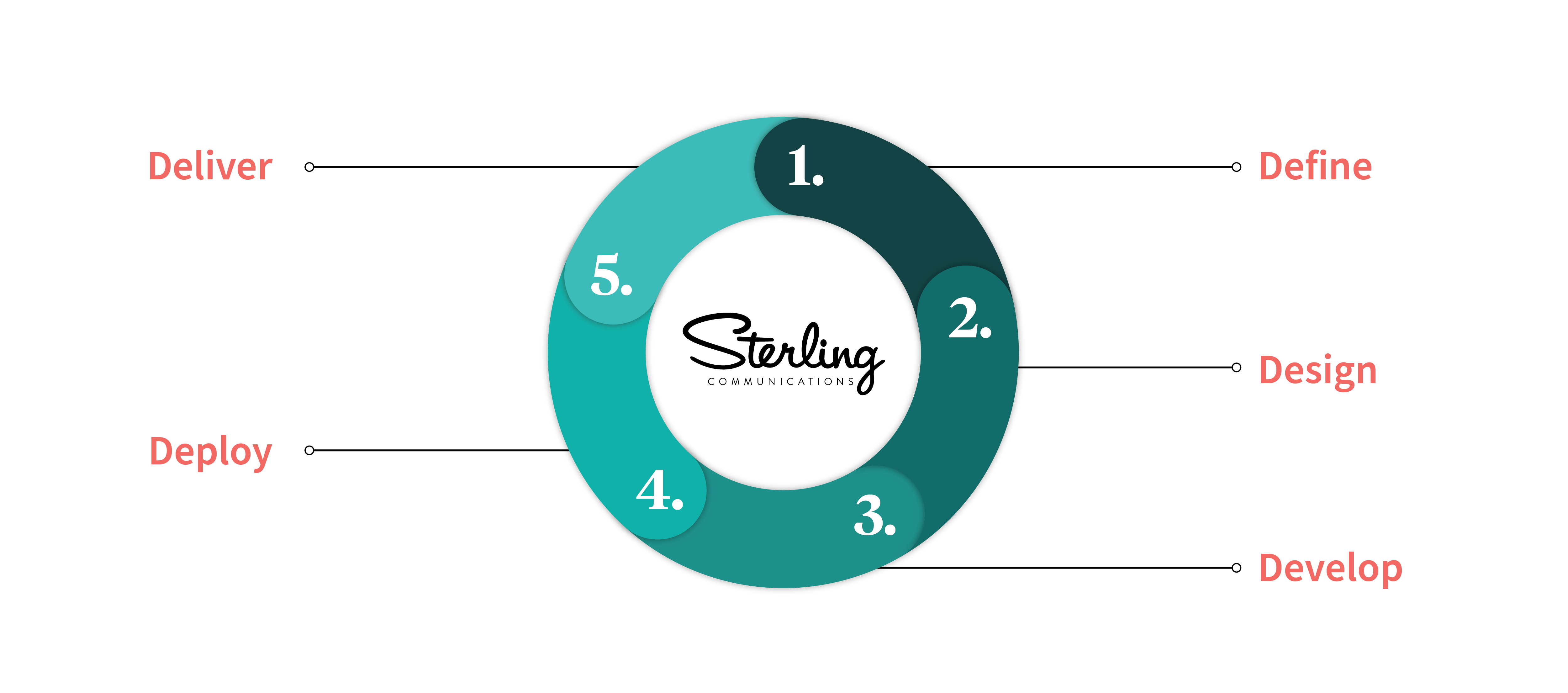
Sterling’s 360º communications approach takes employees and contractors into account when it comes to ongoing communications. Many companies focus on their external stakeholders — investors, channel partners, customers, the media and analysts — but they miss the boat when it comes to sharing information with those who operate within their own walls. Sterling developed its 360º communications approach working with global Fortune 1000 technology companies such as BT and Juniper Networks to greatly reduce (and ultimately eliminate) any unintentional “pockets of ignorance” within the organization. Using communications as a strategic engagement tool with internal as well as external audiences accomplishes three things: 1) it accelerates business momentum; 2) it enhances employee satisfaction; and 3) it reduces involuntary turnover.

“Our clients are the type to eat their own dog food but not drink the Kool-aid.” — Marianne O’Connor

The first step of the process is to get executive-level buy in, because having senior-level sponsorship is integral to success. The second step is to conduct an audit of key internal/external constituencies (employees, shareholders, partners, customers, the media, industry analysts, financial analysts, etc.) to establish a baseline. The third step is to identify and select internal communications team members from public relations, analyst relations, marketing communications, employee communications/HR and investor relations. (Ideally, this team will include members from every major geographic area served.) After that, the team works with Sterling to develop a comprehensive 360º communications plan that includes objectives, strategies, tactics, and associated progress milestones.

This globally orchestrated plan is then presented to the executive team for review and approval, and it is reviewed quarterly to ensure that the desired outcomes are being achieved.

Image credit: Douglas Porter

 
Public Relations
  • — Communications strategy
  • — Messaging and positioning
  • — Media and analyst relations
  • — Speaker placement and training
  • — Business and technical writing
  • — Tour and event management
  • — Press conferences
  • — Competitor research
Web Development
  • — Website audits
  • — Information and UI design
  • — CMS development
  • — Copywriting and blogging
  • — Search engine optimization (SEO)
  • — Podcast and webinar development
  • — Video and animation production
  • — Screencast recording and editing
Social Media
  • — Strategic program development
  • — Social media listening outposts
  • — Twitter network management
  • — Facebook page creation
  • — Community management
  • — Wikipedia maintenance
  • — Keyword research
Internal Communications

To help clients undergoing significant growth, corporate culture changes or shifts in their strategic business direction, Sterling designs and manages internal communication programs that leverage the efforts of PR, AR, IR, marcom, and employee communications professionals.

Marketing Communications
  • — Marketing research
  • — Graphic and interactive design
  • — Advertising copywriting
  • — Speechwriting
  • — Presentation design
  • — Trade show support
  • — Identity design